Showing posts with label Kerala. Show all posts

Wednesday, December 5, 2018

After Sabarimala, women priests


nous indica

The Tribune, October 15, 2018

It is for all religions now to embrace the spirit of the SC verdict
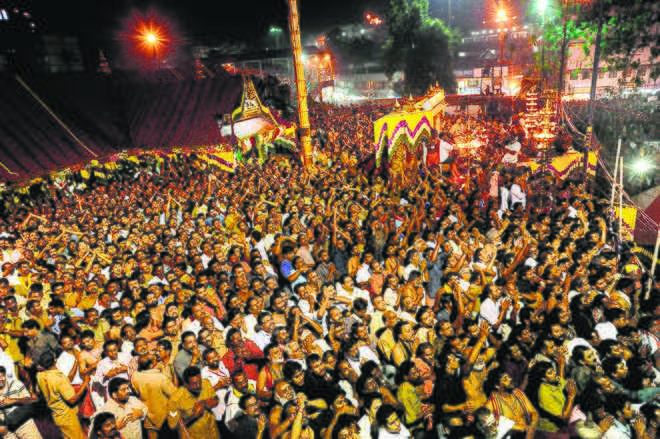

No science here: If faith becomes rational, can it be termed faith?


Rajesh Ramachandran

The Sabarimala verdict is being treated as a gender issue and a victory for women’s rights. As a Sabarimala pilgrim since my childhood, I can vouch that this verdict allowing fertile women access to the hill shrine is neither. The petitioners are not devout women devotees who are dying to seek Ayyappa’s blessings, or demanding rights of temple entry for their comrades-in-faith. In fact, they remind one of the BJP’s concern for Muslim women and triple talaq. The ban on menstruating women to the Sabarimala temple is a mix of a pre-modern sense of hygiene, tradition and superstition, which have all come to be packaged as faith. In Kerala, most Hindu households used to light a lamp in the evening, when the elderly and the children used to sit down to chant shlokas, recite spiritual Malayalam poetry or simply sing devotional movie songs (depending on the relative education of the household).

The woman of the house usually lit the lamp. And she didn’t do it during her periods. In an era before sanitary pads, the womenfolk probably thought it better to keep away than soil the puja room with bodily fluids. This applies to boys and men too, who were debarred from anything pious without a bath. Obviously, the logical extension was to keep off temples, too, during menstruation. The Sabarimala trek used to be a long arduous one through dense forests. The difficulty, the longevity and the unpredictability of the trek, and the Buddhist origins and traditions around the temple could also have been a deterrent for women. So, only girls below 10 and menopausal women used to make the trip; though there have been exceptions galore.

Whatever was the reason that kept women out of the temple for so long, the verdict is welcome as a judicial intervention in faith. It is difficult for a society to reform itself without an outside agency. Here the Anglo-Saxon law, the Constitution and rationalism displayed by judges, who probably do not believe, have decided to force open the closed minds of the faithful. Women are doing everything that they should wearing sanitary napkins. Now, why should the menstrual cycle stop them from going to a temple? It is very difficult for a woman devotee to logically shake off centuries of habit and traditions, which have the force of superstition. A belief becomes an oppressive compulsion when it is accompanied by fear. The wrath of God has kept societies in darkness. Unfortunately, rationalism is often the privilege of the entitled class. A weak person, miserably poor, with nothing but blind faith to help her suffer the ignominies of life cannot obviously afford to take the risk of inviting God’s displeasure.

The Supreme Court has now asked the women of Kerala to do exactly that. And that is why this verdict is indeed path-breaking. Otherwise, not going to Sabarimala is not like being thrown out of the marital home without alimony or becoming the fourth wife of a wife-beating, marital rapist or being denied equal property rights or representation in elected bodies or raping a nun. Not going to Sabarimala was part of a ritual for a devotee, just like going to Sabarimala was. There are women who wait for their hysterectomy to make the trip. If faith becomes rational, can it be termed faith? For instance, there is a Devi temple in Kerala where the goddess is believed to menstruate and the idol won’t be available for darshan those four or five days in the temple’s calendar.

Every religion has such quaint practices that seem abhorrent to someone from an alien culture. The verdict is an outsider’s gaze into the temple practices of Kerala. Only an outsider can easily pick out what is outlandish in customs that are the norm for a society. Now, this gaze has to be consistent in two ways. We need to look at all religions from a gender perspective and only then will we see the repressive patriarchy that rules all religious institutions. Menstruating women going to Sabarimala is a very minor issue when compared to the misogynist tyranny of the temples, mutts, deras, churches and mosques. Kerala has been a progressive state for all reasons. The Kerala society, instead of hanging on to moth-eaten traditions of a pre-napkin era, should herald a revolution by appointing women head priests in all temples. The majority community should always take the lead in social reform measures, for only then will the minorities gain confidence in its motives in bringing in a positive change.

Kerala had the first Dalit vedic priest in a traditional temple. Why not women? There ought to be a 50 per cent reservation for women in all big temples of India. Women priests should worship God, just as they fly aircraft, send rockets and run this country. As a next step, the Supreme Court should take note of the anti-women activities that are going on within other religious denominations, particularly the Catholic Church. In the very same state, five nuns had to do a sit-in for a fortnight for a rapist bishop to get arrested. The alacrity shown by the petitioners in the Sabarimala case ought to have been repeated here, but was sadly missing. It took almost three months for the bishop to get jailed and no Marxist leader of Kerala found it amiss.

The Sangh Parivar has all along thrived building a Hinduism-under-siege bogey. This narrative has started playing out in Kerala, highlighting the differentiated approach by the law-enforcing authorities towards Sabarimala and the bishop’s rape case. The Sabarimala petitioners can restore the balance by seeking to intervene in two issues: the treatment of nuns by the ruling clergy, and misuse of confession, a holy sacrament, by some unscrupulous priests to blackmail and rape the faithful women. Here, too, the solution is pretty simple: allow women to become priests in all denominations. Let the petitioners demand women bishops for the Catholic Church in India.

Saturday, May 2, 2015

Malayalam writer Kakanadan's note

I was rummaging through my dad's papers when I chanced upon this handwritten
note by Malayalam writer, Kakanadan: it is a clear and candid charter of conditions for editing a publication.


പത്രാധിപ സ്വാതന്ത്ര്യം എങ്ങനെ ചോദിച്ചു വാങ്ങണം എന്നു മനസ്സിലാക്കാൻ പറ്റിയ ഒരു കുറിപ്പു. എന്റെ അച്ഛ്ൻ രാമചന്ദ്രൻ നായർക്കു കാക്കനാടൻ എഴുതിയതാണ് കത്ത്. രാമചന്ദ്രൻ നായർ, കാക്കനാടനെ ഏതോ പ്രസിദ്ധീകരണത്തിന്റെ പത്രാധിപ ചുമതല ഏൽക്കാൻ ക്ഷണിച്ചിരുന്നു എന്നു വേണം മനസ്സിലാക്കാൻ. ക്ഷണത്തിനുള്ള മറുപടിയാകണം അവകാശ പ്രഖ്യാപനം. കാലം 1971 ആയതിനാൽ സംഭവം "മലയാളനാട്" ആകനാണു സാദ്ധ്യത. മലയാളനാട് എന്ന ആശയത്തിന്റേയും, പ്രസിദ്ധീകരണത്തിന്റെ പ്രെസ്സിന്റേയും പിന്നിൽ രാമചന്ദ്രൻ നായർ ഏറെ പണിപ്പെട്ടിരുന്നു...

15.1.1971
Dear Ramachandran,
നമ്മൾ സംസാരിച്ചിരുന്ന വിഷയത്തെക്കുറിച്ചു കൂടുതൽ ആലോചിച്ചു.
നിശ്ചിതമായ ഒരു കാലയളവുവരെ, അതായതു, സാധനം ഒന്നു കൂടി ഉറയ്ക്കുന്നതുവരെ താഴെപ്പറയുന്ന വ്യവസ്ഥകളിൽ work ചെയ്യാം ---

1. പത്രാധിപകര്യങ്ങളിൽ പൂർണ്ണ സ്വാതന്ത്ര്യം ഉണ്ടായിരിക്കണം.

2. പ്രതിഫലം അന്നു സംസാരിച്ച തുകയിൽ കുറയരുത്.

3. ആറു മാസത്തിനുശേഷം തുടരണോ വേണ്ടയോ എന്നു അപ്പൊഴത്തെ സ്ഥിതിയനുസരിച്ചു കൂടിയാലോചിക്കാം.

4. പേരു ഉപയോഗിക്കണ്ട.

5. പൂർണ്ണ സ്വാതന്ത്ര്യം എന്നു കരുതി, എന്റെ തോന്ന്യാസമല്ല. General Policy ഒന്നിച്ചാലോചിച്ചു തീരുമാനിക്കാം.

സ്വന്തം
ബേബി
Kakanadan
വിളിക്കണമെങ്കിൽ tel - 3240
                 

Wednesday, September 3, 2014

ഈ പാവം മരത്തെ ഇനിയും ചങ്ങലക്കിടരുത്


രാജേഷ്‌ രാമചന്ദ്രൻ

സുധീരനെ കാലുവാരാൻ വേണ്ടി മാത്രം മെനഞ്ഞ ഈ സമ്പൂർണ മദ്യനിരോധന തന്ത്രം KPCC പ്രസിഡന്റ്‌ സധൈര്യം നേരിടണം എന്നാണ് ഒരു മദ്യസ്നേഹിയായ ഈയുള്ളവൻറെ വിനീതമായ അപേക്ഷ. ചാണ്ടി മുറുകുമ്പോൾ തൊമ്മൻ അയയണം എന്നാണല്ലോ നിയമം. തത്കാലം ആ നിയമം കോട്ടയം ജില്ലക്കാർ പാലിക്കട്ടെ. തീരദേശ കേരകർഷകരെങ്ങനെയാ റബ്ബർ പോലെ മുറുകുകയും അയയുകയും ചെയയുക?

ചാണ്ടി കേരളത്തിൽ ബാറുകൾ പൂട്ടട്ടെ, ചില്ലറ മദ്യവില്പനശാലകൾ ഒന്നടങ്കം അടച്ചുപൂട്ടട്ടെ. ഇത് കേരകർഷകരുടെ കാത്തിരുന്ന ധന്യനിമിഷം. വിസ്കി, ബ്രാണ്ടി, റം, വോഡ്ക എന്നിങ്ങനെ പലപേരുകളിൽ പലതരം കുപ്പികളിൽ പലനിറത്തിൽ കേരളത്തിൽ വിറ്റു കൊണ്ടിരിക്കുന്നത് വെറും സ്പിരിറ്റ്‌ ആണ്. വാറ്റി ഉണ്ടാക്കുന്ന മദ്യത്തിനു നിറമില്ല, അത് ധാന്യങ്ങളിൽ നിന്നായാലും ശരി മുന്തിരിങ്ങ തുടങ്ങിയ പഴവർഗങ്ങളിൽ നിന്നായാലും ശരി. വർഷങ്ങളോളം ഏറ്റവും മുന്തിയ മരം കൊണ്ടുണ്ടാക്കുന്ന വലിയ ഭരണികളിൽ സൂക്ഷിച്ചു വക്കുന്നതിലൂടെ ഈ മരഭരണിയുടെ നിറവും മണവുമാണ് മദ്യം സ്വായത്തമാക്കുന്നത്. അവയിലെ രാജാവാണ് ഫ്രാൻസിലെ കോണ്യാക് ജില്ലയിലെ പ്രസിദ്ധമായ ദ്രാവകം. ഇത് ഏതു ഇന്ത്യൻ ഡിസ്ടിലറി മുതലാളിയും കൊതിക്കുന്ന വസ്തുവായതിനു കാരണം കോണ്യാക് പ്രദേശവാസികൾ ഇതത്രക്കു ശ്രദ്ധയോടെ, അർപണബോധത്തോടെ, അഭിമാനത്തോടെ ഉണ്ടാക്കുന്നു എന്നുള്ളത് കൊണ്ടാണ്. അതുപോലെ പ്രസിദ്ധമായ സ്കോട്ട് ലൻഡിലെ സിംഗിൾ മാൾട്ട്. ഒരൊറ്റ വാറ്റുശാലയിലെ മുളപ്പിച്ച ധാന്യങ്ങൾ വാറ്റിയെടുത്തു ഒരേതരം ഭരണികളിൽ സൂക്ഷിച്ച്‌ മറ്റു വാറ്റുശാലകളിൽ നിന്നുള്ള ദ്രാവകങ്ങളുമായി കൂട്ടിച്ചേർക്കാതെ, ബ്ലെണ്ട് ചെയയാതെ സ്വന്തം മദ്യത്തിന്റെ സത്യസന്ധത കാത്തുസൂക്ഷിക്കുന്നത് കൊണ്ടാണ് അവ സിംഗിൾ മാൾട്ട് ആകുന്നത്.

നമ്മുടെ വാറ്റുശാലാ മുതലാളിമാർ നമുക്കു തരുന്നത് എന്താണ്? വെറും നിറം ചേർത്ത സ്പിരിറ്റ്‌. യന്ത്രശാലകളിൽ ഉണ്ടാക്കിയ രാസവസ്തുവോ കരിമ്പിൻ നീരിൽ നിന്ന് വാറ്റിയ ചാരായമോ, രണ്ടായാലും ഇവ ബ്രാണ്ടിയും വിസ്കിയും അല്ലെന്നു ഉറപ്പ്. ഇത് ഇന്നേക്കും എന്നേക്കുമായി നിർത്തിയതിനു ചാണ്ടിച്ചനു സ്തോത്രം. ഇനി മുതൽ നമുക്ക് സ്പിരിറ്റ്‌ വേണ്ട. നമ്മുടെ നീണ്ടും, നിവർന്നും, വളഞ്ഞും, കുലച്ചും നിൽക്കുന്ന കല്പവൃക്ഷത്തിൽ ഊറിയ ശ്വേതസുന്ദരസുരാമൃതം മതി.

പക്ഷെ, അതിനുവേണ്ടി ചാണ്ടി സഹോദരൻ ഒരു ചരിത്രപരമായ നെറികേട് തിരുത്തി തരണം. തെങ്ങിനു പൂട്ടിയിരിക്കുന്ന സർക്കാർ ചങ്ങലകൾ അഴിച്ചുമാറ്റണം. ഒരു നിമിഷം ചാണ്ടിയും മാണിയും കണ്ണടച്ച്‌ ഈ നീണ്ടും നിവർന്നും വളഞ്ഞും നിൽക്കുന്നത് തെങ്ങല്ല അവരുടെ പ്രിയപ്പെട്ട റബ്ബർ മരമാണെന്നു കരുതണം. അവർ കണ്ണു തുറക്കാതെ തന്നെ ഞെട്ടും. റബ്ബർ കർഷകനായ ഉടമക്ക് മരം ചെത്താൻ പാടില്ലെന്നോ? ചെത്തിയ പാൽ വിൽക്കാൻ പാടില്ലെന്നോ? സ്വന്തം ആവശ്യത്തിനു ഉപയോഗിക്കാൻ പാടില്ലെന്നോ? ഇഷ്ടപ്പെട്ട ചെത്തുകാരനെ ഏർപ്പാടാക്കാൻ പാടില്ലെന്നോ? തോന്നിയ കടയിൽ വിൽക്കാൻ പാടില്ലെന്നോ? ഷീറ്റ് അടിക്കാൻ പാടില്ലെന്നോ? ഷീറ്റ് തട്ടിൻപുറത്തു സൂക്ഷിച്ചു വച്ച് കൂടിയ വിലക്കു വിൽക്കാൻ പാടില്ലെന്നോ? ചുരുക്കം പറഞ്ഞാൽ റബ്ബർ സമ്പത്തും അതിൽ നിന്നുണ്ടായ സാമൂഹികവും സാമുദായികവുമായ വളർച്ചയും നശിച്ചുപോകുമോയെന്ന് ഓർത്ത് ഭയന്ന് അവർ തീർച്ചയായും ഞെട്ടും. കാരണം അതാണ് കേരകർഷകനും കേരകർഷകസമുദായങ്ങൾക്കും സംഭവിച്ച ക്രൂരമായ വിധി. നട്ടവന് ചെത്താൻ പാടില്ല; ചെത്തിയവന് വിൽക്കാൻ പാടില്ല. ചെത്തുതൊഴിലാളി സംഘടനകളുടെ പേരിൽ ചെത്തുകാരന് സ്വന്തമായി കച്ചവടം നടത്തി ജീവിതമുന്നേറ്റം നടത്താനുള്ള അവസരങ്ങളും കൊട്ടിയടച്ചു. കേരളത്തിന്റെ പല ജില്ലകളിലും ചെത്തു തന്നെ ഇല്ലാതായികൊണ്ടിരിക്കുന്നു എന്ന് കേരവികസനബോർഡിന്റെ കണക്കുകൾ സൂചിപ്പിക്കുന്നു.

ഈ അവസരം കൂടി പാഴാക്കുകയാണെങ്കിൽ സുധീരന് കേരകർഷകർ മാപ്പു കൊടുക്കില്ല. ബ്രിട്ടീഷ്‌കാര് നട്ടിട്ടു പോയ മരത്തിനു നൽകിയിട്ടുള്ള എല്ലാ സ്വാതന്ത്ര്യവും സംരക്ഷണവും തെങ്ങിനും ലഭിക്കണം. ആർക്കും നടാം, ആർക്കും ചെത്താം, ആർക്കും എവിടെയും വിൽക്കാം എന്ന സ്വാതന്ത്ര്യം. എല്ലാ സ്വാതന്ത്ര്യങ്ങൾക്കും സീമകൾ ഉണ്ടല്ലോ. ഒരു ഭക്ഷണശാല തുടങ്ങാൻ ആവശ്യമായ നിയന്ത്രണങ്ങളും അനുമതികളും കേരസുരപാനത്തിനും ബാധകമായിരിക്കണം. അത്രമാത്രം. ഷവർമ കഴിച്ചു ശവമാകുന്ന മലയാളി ഇതുവരെ കണ്ടിട്ടില്ലാത്ത തരത്തിൽ വൃത്തിയും വെടിപ്പുമായി, കള്ളും കൊഞ്ചും കരിമീനും, കൊട്ടും കുരവയുമായി, മലയാളി വിളംബട്ടെ, കഴിക്കട്ടെ.

ആർക്കും നടാം, ആർക്കും ചെത്താം, ആർക്കും വിൽക്കാം എന്നായാൽ സർക്കാർ നിയമാനുസ്രിതമായി, രാഷ്ട്രീയ ഒത്താശയോടെ, കൈക്കൂലി വാങ്ങി നടപ്പാക്കുന്ന ആനമയക്കി, ടയസിപാം തുടങ്ങിയവ കലക്കിയ കഞ്ഞിവീഴ്ത്‌ എന്ന എക്സ്സൈസ് വകുപ്പ് സ്ഥിരം നാടകവേദിയുടെ വിനോദപരിപാടികൾ അവസാനിച്ചു കിട്ടുമല്ലോ. IMFL ൻറെ കുഞ്ഞനിയൻ മാത്രമല്ലോ ആനമുദ്രയുള്ള ആനമയക്കി.

നമ്മളെക്കാൾ ചെറിയ രാജ്യമായ ശ്രീലങ്കയിൽ പോലും ഏറ്റവും നല്ല മദ്യം എന്നവർ ഊറ്റം കൊണ്ട് വിൽക്കാൻ വച്ചിരിക്കുന്നത് അവരുടെ സ്വന്തം റാക്ക് ആണ്. അതെ, തെങ്ങിൻ കള്ള് വാറ്റിയുണ്ടാക്കുന്ന ഒന്നാന്തരം റാക്ക്. പക്ഷെ, കള്ളവാറ്റുകാരന്റെ കൈയയിൽ നിന്ന് വാങ്ങിയ കാശു കൊണ്ട് മാധ്യമ വീരശ്രിന്ഖല പണിയുന്ന നമ്മുടെ രാഷ്ട്രീയ നേതൃത്വത്തിന്റെ ആവശ്യം മണിച്ചന്മാർ മാത്രമാണ്. റെമി മാർട്ടിനും ഹെന്നസിയും ഖാവോ ഈലയും പോലുള്ള ചെറുതും വലുതുമായ ബ്രാൻഡുകൾ ഉയർന്നുവരുന്നത് ഇവർക്ക് സഹിക്കില്ലല്ലോ. മൈക്രോ ഡിസ്ടിലറി അല്ലങ്കിൽ കുഞ്ഞുകുഞ്ഞു വാറ്റുശാലകളിൽ നിന്ന് റാക്കും പുന്നെല്ലിൽ വെള്ളവും നെല്ലിക്കാവെള്ളവും കശുമാങ്ങ വെള്ളവും ഒക്കെ വാറ്റിയും കഴിച്ചും മലയാളി സമ്പന്നനായാൽ IMFL എന്ന പതിനയിരകണക്കിന് കോടികളുടെ തട്ടിപ്പു നടക്കില്ലെല്ലോ.

എല്ലാ മലയാളി കുടിയന്മാരുടേയും പണം മലയാളദേശത്തു തന്നെ, തനതു പഞ്ചായത്തുകളിലും മുനിസിപാലിററികളും തന്നെ ചേർന്നാൽ പിന്നെ ഡിസ്ടിലറി മുതലാളിമാർക്ക് എന്തു ലാഭം? ലാഭമില്ലെങ്കിൽ പിന്നെ അതെങ്ങനെ വീതിക്കും? വീതം വച്ചില്ലെങ്കിൽ പിന്നെ നമ്മുടെ വെള്ളച്ചട്ടകളുടെ കറുത്ത കീശകൾ എങ്ങനെ വീർക്കും?

സംപൂർണ്ണ മദ്യനിരോധനം ഒരു സംപൂർണ്ണ മദ്യദുരന്തം വരെ മാത്രമേ നിലനിൽക്കുകയുള്ളൂ എന്നാർക്കാണറിയാത്തത്. നമ്മുടെ നേതാക്കൾ ഒന്ന് ആഞ്ഞുപരിശ്രമിച്ചാൽ ഒരുഗ്രൻ ദുരന്തം എപ്പോൾ വേണമെങ്കിലും ഉണ്ടാക്കാനും സാധിക്കും. അവർ തന്നെയല്ലേ നമ്മുടെ ഏറ്റവും വലിയ ദുരന്തം.

ഈ അവസരത്തിൽ ചാണ്ടി സുധീരനെ വെട്ടുന്നതും നോക്കിയിരുന്നാൽ നഷ്ടം മലയാളിക്കാണ്. ഒരു നൂറുകൊല്ലമായി സായിപ്പിന്റെ സാംസ്‌കാരിക ഉച്ഛിഷ്ടമായി കരുതി മോന്തിയിരുന്ന രാസവസ്തുക്കൾ ഉപേക്ഷിച്ചു നമുക്കു സ്വന്തം സ്വത്വം ദ്രാവകരൂപത്തിൽ വാറ്റിയെടുക്കാം. നെല്ലിക്ക തലയിലും ഉള്ളിലും ചെല്ലുന്നത് മലയാളിക്ക് അത്യാവശ്യമാണ്. ജോണി വാക്കർ എന്ന ഗോതമ്പിൻ വെള്ളം പോലെ എന്റെ സ്വന്തം നെല്ല്ലിക്കാവെള്ളത്തിന് രാജേഷ്‌ രാമചന്ദ്രൻ എന്ന പേരുമായി ഞാൻ കാത്തിരിക്കുന്നു.

Saturday, July 16, 2011

TEACH ROYALS THEIR HISTORY


Mail Today Edit page
July 16, 2011
by Rajesh Ramachandran

LIKE literacy campaigns in illiterate, backward regions of the country, the Union government now needs to launch a national history mission to educate the princelings of former royal families about their ancestors and what they did to the people of this country.
In Madhya Pradesh, home to some of the biggest Maratha kings of yore, the BJP government was caught trying to remove the stains of Scindia history in school textbooks by deleting a passage from Subhadra Kumari Chauhan’s famous poem celebrating the martyrdom of the Rani of Jhansi ( Khoob ladi mardani… ). Sure, there’s the distinct smell of the brave Rani’s blood on the hands of the Scindias and all the Hindutva whiteners of the Sangh Parivar cannot blank out their alliance with the British when the Rani was getting killed outside the Gwalior fort.
Similarly, another old vassal of the British, the former Travancore royal family— suddenly in the news for the breathtaking riches found in the hidden cellars of the Padmanabhaswamy temple— is now talking about its ancestors rising in revolt against the British East India Company. This claim made by the current head of the family — posing as a former maharajah though Balarama Varma, the last Maharajah of Travancore, died in 1991 and since then there are no maharajahs, former or current— surpasses even the Scindias’ attempts.

Pretender

But then, the pretender princeling could be forgiven for his sudden loss of memory. After all, anyone could lose his sense of balance if out of the blue a treasure trove worth Rs one lakh crore is found in one’s backyard. And good history teachers need to revive them from their shock.
It is a fact that Travancore was the only native state in Asia to defeat a colonial power conclusively at the battle of Kulachal in 1741. It is also a fact that the Dutch fleet surrendered to the Travancore army and its chief Eustachius De Lannoy went on to become the Big Captain or Valia Kapitaan of the Travancore Nair Army. But then, these forces were not turned against the British or any other foreign power, but against smaller kingdoms in what is now south and central Kerala.
Marthanda Varma, the founder of the Travancore state, took over the reins of the kingdom by defeating and killing his cousin Padmanabhan Thampi and the eight feudal Nair households of Thiruvananthapuram.
He brutally killed all of them, confiscated all their wealth, dug ponds where their houses once stood and in a most cruel act, handed over all the innocent womenfolk — grandmothers, mothers, sisters, daughters, granddaughters — every single woman member of these ruling families to strangers of the local fishing community so that their progeny would never lay claim to the throne of Travancore. Some of the wealth found in the Padmanabhaswamy temple cellars obviously belongs to those wretched mothers. But most of it ought to be war loot from smaller kingdoms like Kottarakkara, Kayankulam, Kollam and Ambalapuzha that were annexed.
Marthanda Varma’s successors had struck an alliance of undying loyalty with the British East India Company that sapped the native state of its independence over the decades. And while Pazhassi Raja, a northern Kerala king, really “ rose in revolt against the British” in 1793, the Travancore family remained a loyal ally of the British.

Traitor

At the turn of the Nineteenth Century there was a popular uprising against the Travancore Raja and his corrupt Prime Minister Jayanthan Sankaran Namputhiri. The weak king was forced to replace Namputhiri with a dynamic young rebel, Velu Thampi.The nation first heard about Thampi when Subhash Chandra Bose, after establishing the provisional government of Azad Hind in Singapore in 1943, listed Thampi among the great patriots who fought the British Empire.
Thampi had taken on the British about five decades before the first war of independence in 1857. He failed and when surrounded by British forces, committed suicide inside a temple in 1809, about 100 km away from Thiruvananthapuram. The British then carried his corpse to the capital to be gibbeted. His proclamation at Kundara, a call to arms, against the British was probably the first such by an Indian freedom fighter. One of the first statues of martyrs built by independent Kerala’s government was that of Thampi. But the Travancore history texts till Independence had termed Thampi a traitor for having fought the royal family’s colonial masters.
Worse, Travancore along with Hyderabad, Junagadh and Kashmir, had refused to join the Indian union in 1947. Instead, the Prime Minister, CP Ramaswamy Iyer, mooted an ambiguous ‘ American Model’ constitution outside the Indian union.
His police mowed down hundreds ( some say thousands) of protesting Communist party workers in Punnapra and Vayalar hamlets in Alleppey district. The Travancore family was deaf to the dying protesters’ cry of ‘ American Model in Arabian Sea’. Iyer finally fled Thiruvananthapuram when his nose was chopped off by an RSP activist in a failed assassination bid that probably led Balarama Varma to sign the instrument of accession in 1948.
And now a pretender insists that the Travancore family had risen in revolt against the British in what seems to be part of a propaganda war to claim the Padmanabhaswamy temple treasures as offerings by the royalty.
Kerala, particularly Travancore under the royal family, was a poor, backward, caste- ridden place that was transformed by three waves of social reform movements — led by the missionaries, Marxists and the Guru — that though contradictory of each other, built modern Kerala’s progressive social structure. Foreign Christian proselytisers even bought slaves from the regressive Travancore state, and converted and set them free to live a life of dignity. And of course, they set up schools, colleges and hospitals creating the new elite of Kerala.

Travesty

The great Sree Narayana Guru consecrated an ‘ Ezhava Siva’ telling the Nairs and Namputhiris to mind their gods. His re- interpretation of the Advaita philosophy lent confidence to the Ezhavas, the largest backward community in Kerala.
And the Communists set the bodies and minds of the oppressed, bonded labourers of the feudal lords free. If Kerala’s social indicators have leapfrogged into the Western European league, it is in spite of the Travancore family. After all, they used to collect tax from backward caste Hindu women who wanted to cover their breasts! Before setting out for Gwalior and Thiruvananthapuram, the proposed national history mission should visit 7, Race Course Road to tell the Prime Minister the story of the Bhagat Singh trial.
The greatest youth icon of India’s struggle for independence was betrayed by a contractor, Sobha Singh. In what appears to be false testimony, Sobha Singh identified Bhagat Singh during the trial as the person who threw the bomb down from the visitor’s gallery of the Central Legislative Assembly in Delhi. Sobha was not a legislator, nor a journalist, nor an official, and had no business to be there at that very moment. But this extremely dubious testimony was accepted by the court. And Sobha became the biggest contractor in Delhi and was knighted by the Empire.
Now, Manmohan Singh wants to honour the memory of this man who betrayed the nation’s biggest hero. Singh has asked Sheila Dikshit to rename Windsor Place after Sir Sobha. Hope he doesn’t write to Parkash Singh Badal to get Jalianwala Bagh named after Dyer.
rajesh. ramachandran@mailtoday.in

Tuesday, May 17, 2011

Congress ills behind VS' remarkable showing


Mail Today edit page, May 17, 2011
THE Left Democratic Front was defeated in Kerala’s assembly polls, but it also handed out a humiliating victory to the Congress- led United Democratic Front, and the photo- finish was hailed as an endorsement of chief minister VS Achuthananthan’s brand of Left politics. Too big a bundle of contradictions; too convoluted even for cynical chroniclers of Malayali lives and times. Worse, the seemingly simple twoseat majority of the UDF barely hides a massive communal mobilisation of Christians and Muslims.
Kerala while continuing its tradition of voting out the incumbent has also reflected the nation- wide anger against corrupt politicians and arrogant satraps.
Just a few months before the polls, Achuthananthan had won a big political battle when the Supreme Court convicted a former UDF minister in a graft case. Also, the re- emergence of the ice cream parlour sex scandal against Muslim League leader PK Kunhalikutty, this time in the garb of shocking allegations of corruption against two former high court judges, weighed heavily on the minds of the voter — enough to turn the tables against the Opposition and narrow the gap between the two fronts.
Achuthananthan
It was the no- holds- barred fight between the state secretary of the CPI( M), Pinarayi Vijayan and the rebellious chief minister that humbled the Left in the 2009 Lok Sabha polls. VS, as Achuthananthan is popularly known in the state, did all he could to muddy the waters, always making sure that he appeared to be upholding Left politics, while tarring the Vijayan faction as a reactionary aberration within the Marxist fold. The old man knows well that politics is only about perception.
In the monolithic Marxist party of Kerala, VS introduced the politics of factious and fractious manipulation by decimating towering trade union leaders like E Balanandan and demoting incorruptible Marxists like KN Ravindranath at the state party conference at Palakkad in 1998. And the alternative leadership that VS propped up was that of Vijayan. The insecure leader’s insidious motive was clear: to remote- control the party organisation by promoting a green horn to the highest position.
But Vijayan soon outwitted the man by weaning away the VS faction and emerging as the strongest leader in the state party. VS, the backroom player, for the first time was without organisational props to stage his absurd theatre of empty slogans. But around this time, a clutch of Left intellectuals and activists began advising him to take a sharper Left- turn to address the issues of corruption, trafficking and to attack people in positions of privilege even if they were political friends.
That marked the birth of the biggest mass leader in contemporary Kerala politics. His connect with the masses peaked when he was hailed the best ever Opposition leader during his 2001- 06 stint. The mass upsurge against the party’s decision not to field him in 2006, prompting the leadership to reverse its decision, still remains the simmering undercurrent of his popular support. The apparatchik was asking the masses to bomb the headquarters, calling the party’s friends in the real estate business, ‘ despicable’. Whenever he was under attack from within the organisation, the people hailed his ‘ rebel’ image. His incompetence as a chief minister was blamed on the intransigence of the party bureaucracy.
So, a vote for VS on many occasions was also a vote against the party, against the official faction led by Vijayan and his chosen ministers in the VS cabinet who had openly defied the chief minister. Even while voting for VS, the people were voting out his government.
Travancore
The six southern districts that once made up the princely Travancore state normally determine the rulers of the state, particularly the three coastal districts of Thiruvananthapuram, Kollam and Alleppey. But this time around they favoured the incumbent, more precisely VS. This is being read by analysts as a Hindu consolidation against the Christian- Muslim gang up under the UDF banner. This reading of a Hindu consolidation is a bit juvenile for many reasons. Traditionally Christians and Muslims are exhorted by their respective clergy to vote against the godless Communists.
Some of these deeply communal constituencies are so impregnable that the Left candidates often contest as independents as in the case of Sebastian Paul in Ernakulam and KT Jaleel in Malappuram.
But southern Travancore districts seem to have seen a different convergence: the consolidation of the influential backward caste Ezhavas, the traditional vote bank of the Left, along with Dalits and other lower castes. After the expulsion of the legendary leader KR Gowri from the CPI( M ) in 1994, VS had emerged as the tallest leader of the party from the Ezhava community.
The Ezhavas, the single largest Hindu block in the state who form over 20 per cent of the state’s population, have other reasons too to vote for CPI( M). There were only 13 Ezhavas among the 82 candidates of the Congress party in the fray. And of these, just three have won the polls, making a mockery of representational politics within the grand old party. This only underlined the fact that the Congress largely remains the party of the old feudal interests, now represented by Nairs and the socalled upper caste Syrian Christians. No wonder the lower caste fisher folk, defied their Latin Catholic church and voted for the Left in Aleppey and Kollam.
Communalism
So, the results seem to be a thumbs- down from the Ezhavas to the KPCC president Ramesh Chennithala, a Nair, and Opposition leader Oommen Chandy, a Syrian Orthodox Christian, who in public perception represent their respective communities more than the people. The high command too decided to overlook the claims of veteran Congressman from the Ezhava community, Vayalar Ravi or the spotlessly clean idealist VM Sudheeran.
Apart from this blatant promotion of upper caste interests, the communal tag stuck firmly on Congress because of its old allies, the Muslim League and the Kerala Congress. A party solely for Christians in a state ruled by a Christian chief minister doesn’t occur to be an anomaly for the Church. Many Malayalis firmly believe that the Vatican directly intervened to get the Kerala Congress factions backing either front to merge to form one entity to take on the Left.
The merged Kerala Congress faction now has nine seats and this government with a razor thin majority offers great scope for Kerala Congress leader KM Mani’s temptation to be chief minister. Chandy can only pray hard to the saints and the Vatican to appear in Mani’s dreams and desist him from switching sides towards the ‘ Satan’. Chandy owes this victory completely to the Muslim League and its sullied supremo Kunhalikutty. The League won 20 out of 24 seats and helped UDF candidates in several other constituencies with a considerable Muslim population. Despite charges of having had sex with a minor and buying up high court judges to avoid a CBI enquiry, Kunhalikutty has won with a huge margin of 38,237 votes. Interestingly, his apologists attribute this stupendous victory to VS’ vendetta politics. He had vigorously pursued the cases against Kunhalikutty, probably fuelling a sense of insecurity among the Muslims who had already punished Kunhalikutty and the Muslim League in the 2006 assembly polls.
VS truly towered over the rest in every which way in these polls, at times helping the Left and often hurting his party. But he was always successful in addressing the masses in their language, upholding the politics of the powerless against people with privilege, however insincere the attempt may have been.
rajesh.ramachandran@mailtoday.in

Wednesday, September 8, 2010

Socially progressive Kerala moves backwards


Rajesh Ramachandran
Mail Today Edit Page, September 8, 2010
MY HOME town is at least 1186 years old. It could be a few centuries older than that, but I am sticking to the Malayalam calendar that says we are in year 1186. The calendar was issued at and named after my small town, Kollam. Fortunately, it still remains small as the East India Company didn’t choose to set shop or open a Presidency college there.
The antiquity of my town is immensely relevant to the raging debate on purdah.In neighbouring Alleppey district a Christian school was recently under attack for not allowing headscarf in class. A Muslim girl from Kasargode, the northern tip of Kerala, is being harassed for wearing jeans. A teacher in a Kolkata university is being hounded by her students for not covering herself from head to toe. And a professor of minority studies in a Delhi university lifting her veil to get herself photographed for a newspaper article is defending the choice of wearing this piece of dress as “ the unfolding of the recovery of the Islamic self”.
What Islamic self does the veil recover? My port town, a centre of international trade when Kolkata and Mumbai were not even plotted on the Asian maritime map, is supposed to have hosted all the major religions of the world at various points in history. By the 9th century, about the time the Malayalam calendar was inaugurated, Jews, Persians and Palestinians were supposed to have been granted land by a Hindu ruler.
Attire
They all had come in without the purdah! Nobody had for centuries even seen what a burqa looks like in our part of the country. Even as a child the only glimpse of the burqa I had was at the railway station or the bus stand, worn obviously by some visiting Muslim stranger.
Even in north Kerala or Malabar with its history of Tippu Sultan’s invasion and organic trade links with Arabia — Arabs used to marry into local Muslim families — the burqa was a rarity and mostly worn by moneyed women who had traveled for Haj and returned with the baggage of orthodoxy. There are many who insist that, traditionally, less than five per cent of Malabar’s women were hooded and wrapped up.
Malayali men, primarily Hindus, never used to cover their torsos and their women till a century ago only used a piece of cloth, not dissimilar to the mundu or dhoti, to cover their breasts.
Till the mid to late 19th century, stitched loose blouses were largely used by those who had converted to Christianity and Islam. While Christian women wore these blouses with the traditional mundu , the only addition for Muslim women was a piece of headcloth, which never ever covered the face. It was more of a headgear and never a veil.
By the 1970s this traditional attire gave way to modern sarees and like everybody else, Muslim women too switched to the easy- to- wash polyester sarees. The only allowance for the ultra- orthodox was the length of the sleeves, which dropped a little below the elbow, and they covered their heads with the pallu of the saree, the way President Pratibha Patil does it now.
Thangal Kunju Musaliyar, a cashew exporter and one of the world’s biggest individual employers of his times, had set up Kerala’s first privately managed engineering college and a college for the arts and sciences in Kollam in 1958 and 1965 respectively. No Muslim student or teacher used to go to these two colleges in the burqa or hijab till the 1990s. Even in these ‘ Muslim’ educational institutions most women teachers left their head uncovered and prayer during the holy month was an individual’s choice. Interestingly, no woman in this visionary’s family used to wear the alien dress till the 1990s.
Masjid
The working classes were no different. The Muslim domestic help at the Hindu upper caste Sanskrit teacher’s house, or her friend who peeled nuts at the Muslim entrepreneur’s cashew factory could not obviously afford to bother about the length of the sleeves of her blouse or the pallu over her head. She worked like everybody else at homes and factories that brought militant trade unionism and precious dollars to Kollam, each diluting the other.
Any woman who has travelled to Kerala would agree that the male gaze is at its worst there. But, rich home- makers, teachers, teachers, government officials, lawyers, doctors, domestic helps, cashew workers, they all dealt with it as women, and not as Muslims. The Muslim woman was everywoman.
But no longer! The demolition of the Babri Masjid by Hindutva goons gave the best opportunity to their Islamist counterparts to talk about ‘ recovering the Islamic self”. Soon after the idea of India was challenged by Gandhi’s killers in a murderous Rath Yatra that culminated in riots and Mumbai’s serial bomb blasts, the radical Islamist cleric Abdul Nasser Madani, also from Kollam, left his stamp on my home town. Madani’s Islamic Sevak Sangh rose to ‘ secure’ the insecure Muslim man. Continuing the tradition of colonising the female mind and body, insecure men threw the purdah over Muslim women.
Religious revivalism brought in personal proselytisers like those of the Tablighi Jamaat, again a north Indian import, who, inviting women to their congregation, insisted on the dress code of the desert.
The process ended in a community stepping aside and declaring that it is different, that it is the ‘ other’. A new identity was being created for the orthodox Muslim, an identity that stuck out in the Malayali milieu like the black cap of the RSS volunteer. Or like the red strings Akhil Bharatiya Vidyarthi Parishad boys tie on each other’s wrist on Raksha Bandhan day to mark the saffron brotherhood.
Talibanisation
Muslim fundamentalists were merely continuing with their hypocrisy. After shouting the ‘ Pakistan or Kabristan’ slogan in the run up to the Partition, none of the Muslim League leaders or cadre of Kerala migrated to Pakistan; instead they got transformed into the Indian Union Muslim League and went on to rule the state as a constituent of the Left and the Congress- led ruling fronts.
Now, Madani’s village, Karunagapally, is shrouded in purdah, though he is trying desperately to shake off his radical past and be part of the political mainstream by aligning with the Left front in Kerala. Others, more deadly, have taken over from him. Now, any perceived injury to religious pride is assuaged by barbaric Taliban- like actions. The hands of a Christian college teacher who used the prophet’s name in a question paper were chopped off in broad daylight, while he was on his way back from the Sunday mass. Muhammed is the most common Muslim name and all that the teacher did was to call a fictitious character by that name.
Purdah has no place in my home town and is a sign of the imposition of an alien culture and its dress code. Many young girls are being forced to wear it over their jeans and T- shirts, clearly proving what choice they have over covering their bodies. The cultural identity of the Malayali Muslim as defined by dress in all its traditional glory is the ‘ blouse- mundu- headgear’ attire with large gold earrings. Why don’t the votaries of purdah try this out? After all, the purdah is for us what the mundu would be for them.
rajesh.ramachandran@mailtoday.in